23.04.2026 | Insight
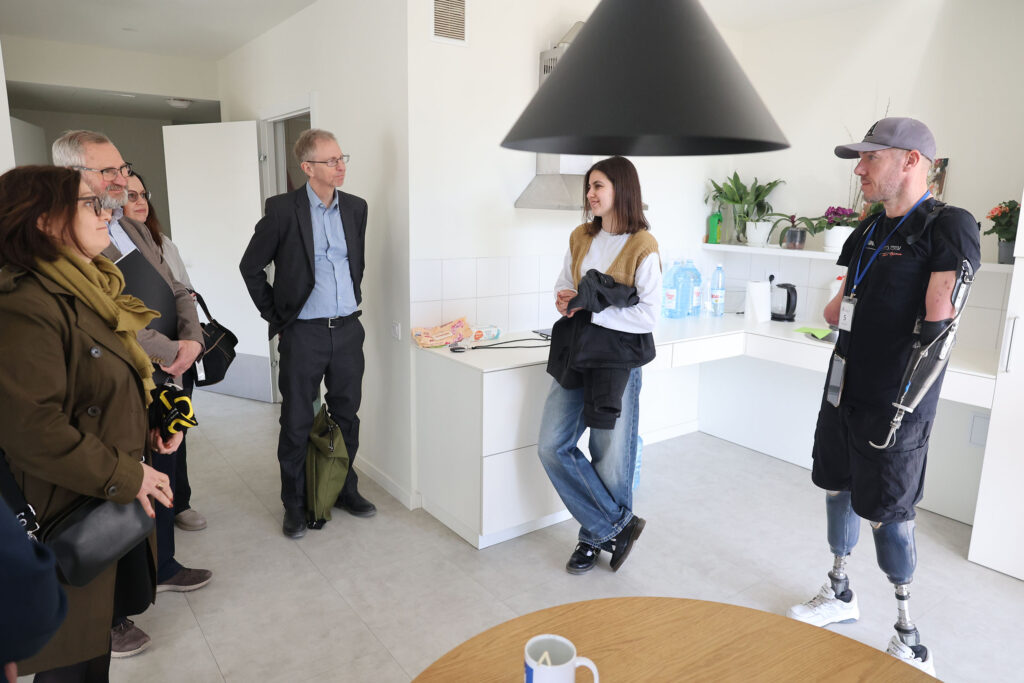
The visit to western Ukraine brought the delegation face to face with what reconstruction means in practice. At the UNBROKEN Centre in Lviv, Ukraine’s largest medical facility for war-affected adults and children, Nefco’s board members from Finland and Sweden met with war veteran Mykola Shot, a patient and mentor at the centre, whose story of recovery from severe injuries received at the frontline added a powerful human perspective on the work being financed and implemented.
Last week, Nefco’s delegation visited ongoing and completed reconstruction projects in Lviv, Dubno, and Rivne in western Ukraine. The visit focused on how green investments at the municipal level are improving resilience, restoring essential public services in a sustainable way, and supporting long-term recovery during the ongoing war.
It was a reminder that reconstruction is not only about buildings and functioning energy systems; it is also about people settling into new homes, hospitals staying open, and communities regaining a sense of normality. This dual focus on urgent needs and long‑term solutions defines Nefco’s work in Ukraine.
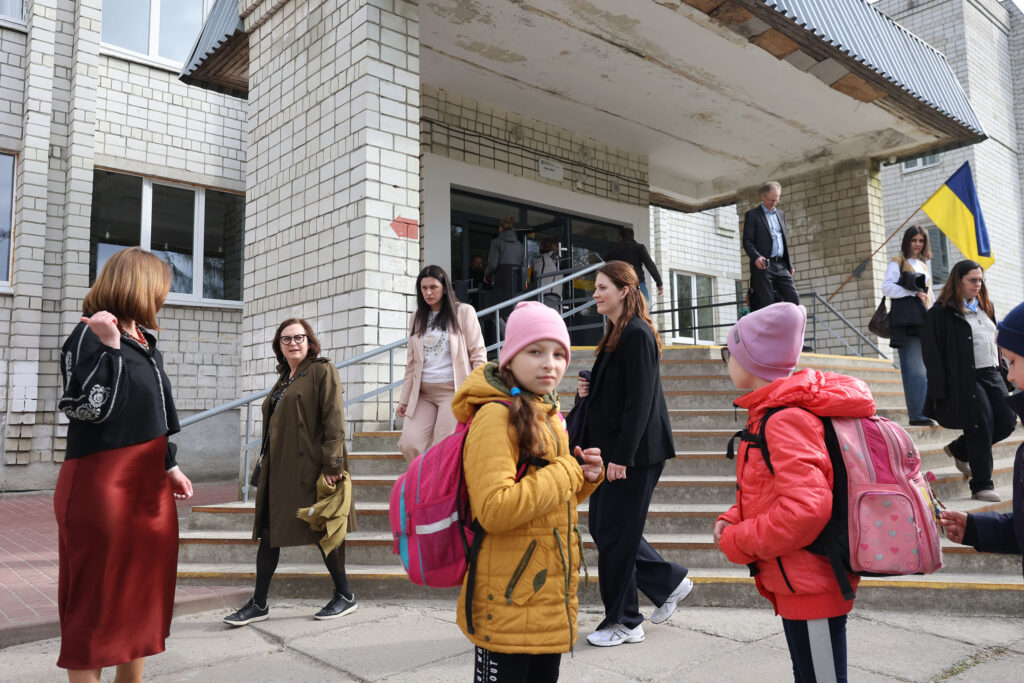
“The rebuilding work that Nefco is conducting is essential both for those immediately concerned but also for people at large to inject some sense of normality in an otherwise highly stressful environment,” comments Erik Kiesow, Senior Adviser at the Ministry of Climate and Enterprise of Sweden.
In Lviv, the delegation met with city representatives, wounded soldiers and war veterans while visiting key project sites managed by Nefco and financed by the European Union and the Nordic countries. These included social housing for internally displaced persons, and public buildings undergoing reconstruction and modernisation in line with nearly zero-energy building (NZEB) standards, demonstrating how emergency needs and long-term sustainability can be addressed simultaneously.
Eight apartment buildings for internally displaced persons are being constructed in Lviv. The first has already been completed and is now providing housing for wounded soldiers receiving rehabilitation at the nearby UNBROKEN Centre. As Ukraine’s largest medical facility, the centre provides treatment, prosthetics and rehabilitation services for war‑affected adults and children.
At the centre, war veteran Mykola Shot, a 40-year-old patient and mentor who lost four limbs in the war and continues to live an active life, shared his story with the delegation. The encounter served as a powerful reminder of the human impact of reconstruction efforts.
Mykola Shot comments to us that he and the other residents were sincerely touched by how their stories resonated with the Nefco visitors. “Investments from international institutions like Nefco are extremely important. Massive displacement from eastern to western Ukraine has placed urban infrastructure under severe strain, creating acute shortages in housing. For many displaced people, this is not a matter of comfort but one of survival: they have lost everything and have nowhere to return to.”
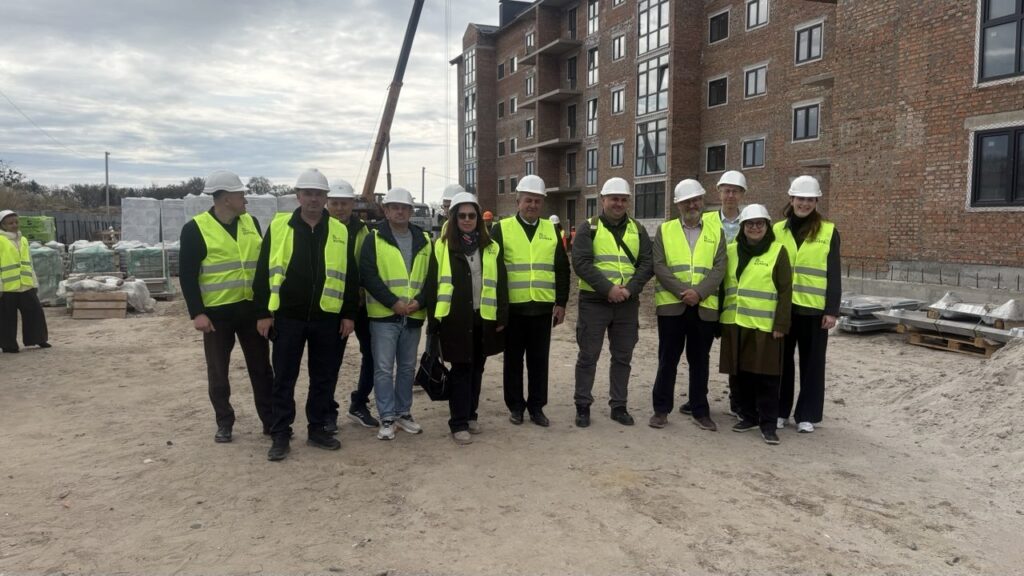
The trip continued to Dubno, where the delegation visited a construction site for a new apartment building to accommodate internally displaced persons, financed by the
European Union. The project showcases modern, energy-efficient construction and the integration of renewable energy solutions to reduce emissions and operating costs, while providing urgent, high-quality housing.
“The impact of Nefco’s work is clearly visible at the municipal level. These investments support both reconstruction and long-term green development, while reinforcing strong local ambitions to build back better. An experienced financing partner like Nefco brings not only financial resources, but also expertise, cost-efficient implementation processes and high standards for due diligence, anti-corruption and environmental integrity to Ukraine,” highlights Erik Kiesow.
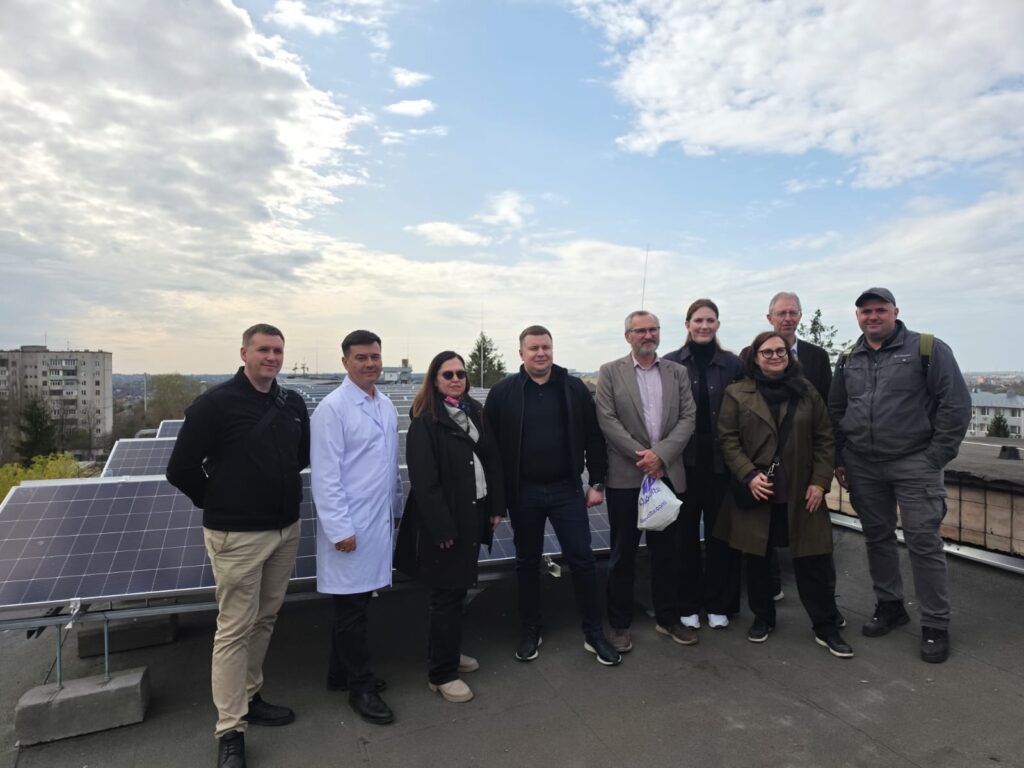
In Rivne, the delegation saw how green investments are already improving everyday life and creating stability for a community. Site visits included a renovated day-care centre, inspection of implemented energy-efficient street lighting and rooftop solar power installations and discussions on future environmental projects aimed at improving water quality and urban resilience.
The completed project has improved everyday conditions for nearly 500 children and 100 teachers at public schools and day‑care centres, while renovated hospital facilities now provide better working conditions for around 400 medical staff and improved care for nearly 480 patients. For local communities, these upgrades mean warmer classrooms, lower energy consumption and costs, and public services that can continue operating
reliably despite the ongoing war. Read more about the energy-efficiency project in Rivne
“At a time when the most acute needs must be addressed – such as housing for internally displaced people and war veterans, or the repair of damaged infrastructure – it is encouraging to see how these investments can be made in a sustainable way that serves the Ukrainian communities and people in the long term,” comments Sannamaaria Vanamo, Deputy Director General at the Ministry for Foreign Affairs of Finland.
“I was deeply impressed by the determination and commitment of our local partners. Our cooperation reflects shared values, such as democracy, the rule of law, equality, and a strong focus on education and future generations,” Vanamo summarises the visit.
The visit underlined Nefco’s long-term commitment to Ukraine and its role in supporting environmentally sustainable, transparent and EU-aligned reconstruction. With a strengthened strategic focus on rebuilding in Ukraine, Nefco continues to work closely with municipalities and European and Nordic partners to help Ukraine build back better and greener during wartime.
Cover photo: Nefco board members visiting a school in Lviv – Lviv City Council