27.08.2026 | Case story
Funding from the BSAP fund helped Lykkan develop methods to financially reward farmers for taking measures which reduce runoff into waterways.
The Finnish company Lykkan operates with the simple philosophy that acting sustainably can be profitable, not an expense. They received funding from the Baltic Sea Action Plan (BSAP) Fund to explore methods to reduce agricultural nutrient inputs into the Baltic Sea using regenerative farming practices, a holistic land management approach that focuses on healing and restoring soil health, increasing biodiversity, and improving the water cycle.
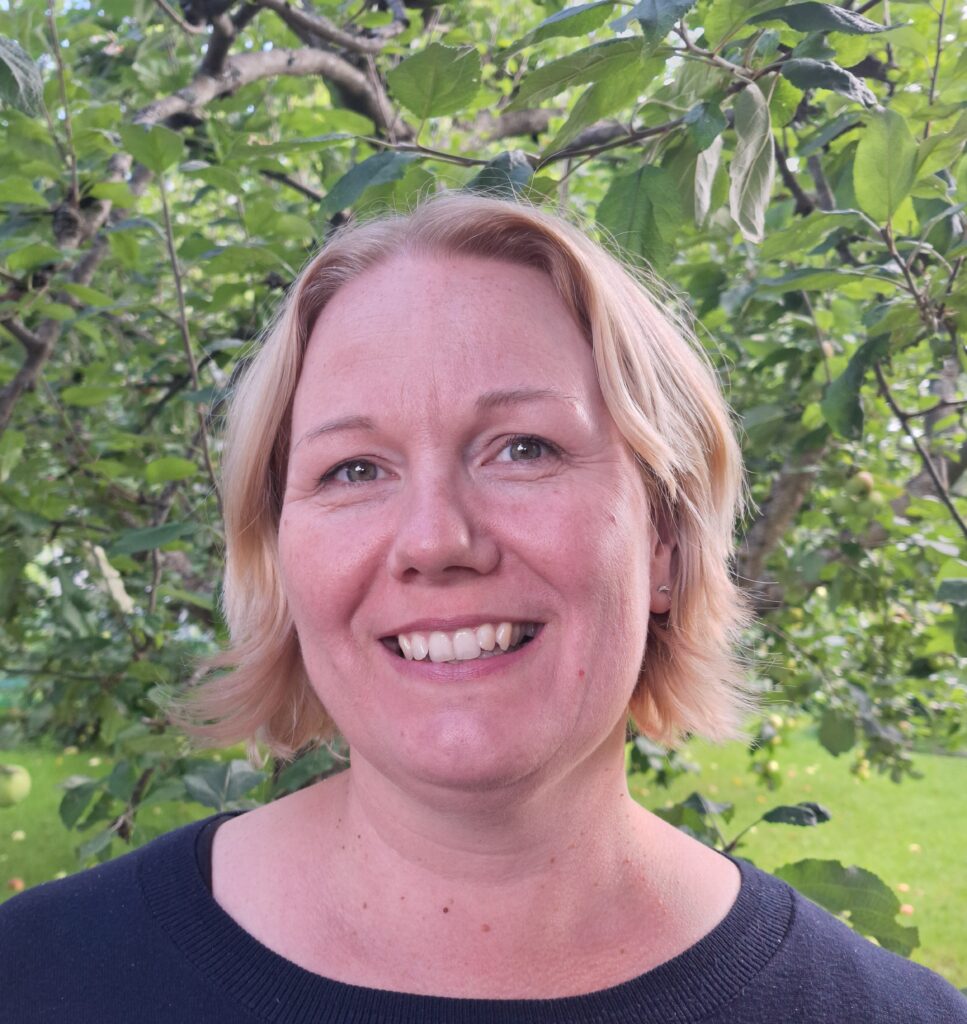
“Regenerative farming can benefit farmers as well as the Baltic marine environment,” explains Lena Korkea-aho, Sustainability Advisor at Lykkan. “Farmers can enjoy better yields because soil health improves and the nutrients stay in the soil instead of being washed down to the sea.”
Founded in 2021, Lykkan received funding from the BSAP Fund in 2023 to explore how to financially encourage farmers to adopt regenerative farming practices. The project also included the creation of a platform for leasing farmland in Finland, which could help regenerative farmers find suitable land.
“Protecting the Baltic Sea requires solutions that work for both the environment and local communities. By supporting the development and testing of new approaches, such as Lykkan’s efforts to incentivise regenerative farming, the BSAP Fund helps turn ideas into action for a healthier Baltic Sea,” says Dennis Hamro-Drotz, Fund Manager of the BSAP Fund and Head of Special Funds at Nefco.
Farmers sign up to collaborate
An important part was the development of a pilot farm network, which consists of experienced farmers along Finland’s coasts who were interested in using more regenerative techniques. The soil, water and landscape of their farms were studied using field tests, laboratory analysis and even satellite imagery.
“The project created a monitoring, reporting and verification model for ecosystem services in agriculture in collaboration with the farmers,” says Korkea-aho. “We used an overall soil fertility score and a soil health score, which we can track over time to study the benefits of different approaches.”
Many of the key techniques in regenerative farming involve keeping the soil under cover as long as possible. Cover crops such as clover or ryegrass can be planted or strips of uncultivated land left in key areas. Crucially, this can reduce erosion and retain nutrients such as nitrogen and phosphorus in the soil. Farmers also reported a reduced need for fertilizer during the project.

Making regenerative farming more profitable
One financial incentive Lykkan studied was carbon credits, where a company could buy credits from farmers to sequester carbon and offset their environmental impact. Another idea was paying farmers to take steps to improve biodiversity.
“Organisations can ‘sponsor’ a flower strip next to a field,” Korkea-aho explains. “This is great for our pollinators and biodiversity, but it can also help to retain soil health and nutrients, so they don’t wash down to the Baltic Sea and contribute to eutrophication. We had several municipalities sponsor strips of flowers on farms in their local communities.”
Lessons learned applied to new EU project
For Lykkan, one of the most important outcomes from the project was the establishment of a pilot farm network which stretches all the way around Finland from the northern Gulf of Bothnia to the eastern Gulf of Finland.
“The BSAP Fund project resulted in our participation in a new EU-funded project, MultiSoil, which is led by the Finnish Natural Resources Institute,” says Korkea-aho. “Engaging our network of farmers in the project is very important, as a lot of the research takes place in test fields or in the lab. Now we have experienced farmers who can help us develop the best methods to improve their soil while protecting our environment.”
About the BSAP Fund
The Baltic Sea Action Plan Fund (BSAP Fund) was set up in 2010 to help speed up the implementation of the BSAP, adopted by the HELCOM countries in 2007, and updated in 2021 to create a healthier Baltic Sea. The key purpose of the BSAP Fund is to facilitate and speed up the preparation of projects by both public and private entities. At the end of 2025, the BSAP Fund had 14 active projects and has funded over 80 projects since 2010, ranging from nutrient recycling to removing microplastics. The fund is co-managed by the Nordic Investment Bank (NIB) and Nefco with contributions from Sweden and Finland.
For more information, please visit the Baltic Sea Action Plan Fund page.
For further information, please contact: