02.07.2026 | Case story
The Swedish NGO Ekoskog received a grant from the BSAP Fund to reduce forestry-related runoff into the Baltic Sea, through education, collaborations and restoration measures.
Ekoskog is a Swedish non-profit dedicated to developing and promoting ecologically sustainable forestry. One of their key goals is the creation of a sustainable forestry certification scheme and labelling system, with stronger alignment to EU guidelines than the dominating certification schemes.
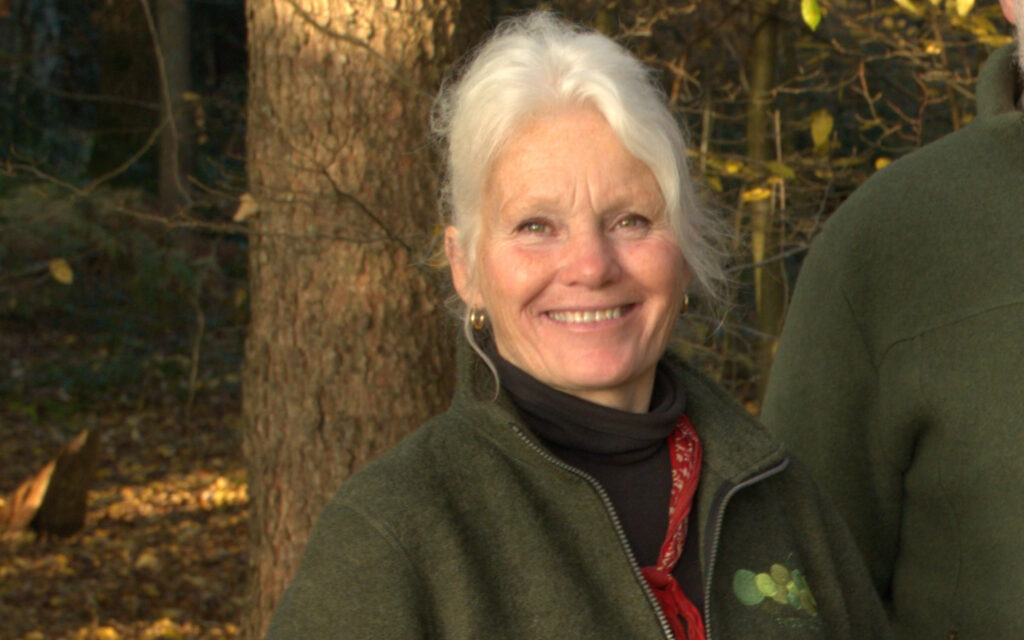
“Our mission is to secure the production base of Swedish forests, so forestry is ethically, ecologically and economically sustainable,” explains Karin Åström, Chairperson of Ekoskog.
By one Skogsstyrelsen estimate, about 7 per cent of the phosphorus and 5 per cent of the nitrogen load into watercourses comes from forestry operations, not to mention the significant negative impact on water quality in headwater streams.
“Some studies suggest the runoff from forestry into the Baltic Sea is underestimated, and the increased use of fertilisers in forestry could make it even worse,” Åström points out. “Reducing this load by making forestry more sustainable would have a direct positive impact on the Baltic Sea environment.”
Advancing sustainable forestry
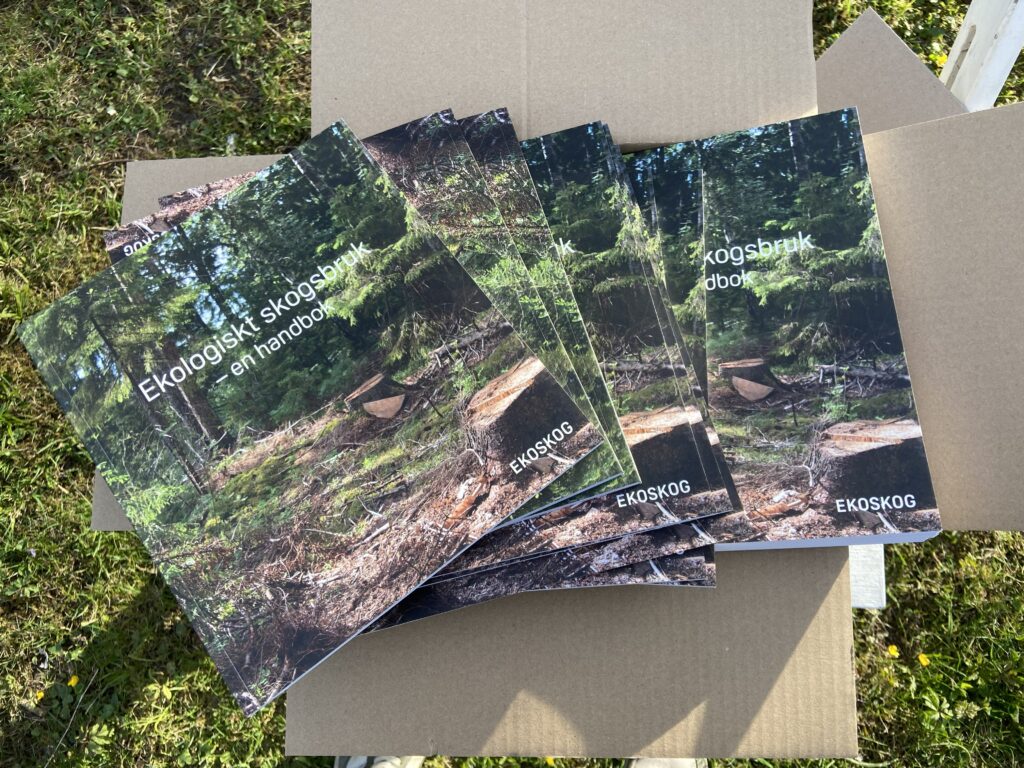
In 2023, Ekoskog was approved for funding from the Baltic Sea Action Plan (BSAP) Fund to improve sustainable forestry in Sweden. A major portion of their funded activities was in education. Ekoskog produced instruction films and interviews, a handbook on ecological forestry, a forest restoration guide, information for schools and guided tours.
The funding also allowed Ekoskog to strengthen contacts in the wood value chain, including with construction companies, architects, retailers, sawmills and municipalities. Sustainable procurement is an increasing trend among local governments as well as large corporations, so their support could increase the demand for more sustainable wood.
“We work to improve the ecological state of the Baltic Sea and create benefits for everyone living around it. We support a wide range of projects with a positive impact, including reducing nutrient runoff. Ekoskog addresses forestry-related emissions – an area that has received less attention than other runoff, such as from agriculture,” explains Dennis Hamro-Drotz, Fund Manager of the BSAP Fund and Head of Special Funds at Nefco.
Another part of the programme funded by the BSAP Fund was rewilding, where Ekoskog worked to restore forests, including rewilding forest streams and plugging forest ditches.
“Working with the BSAP Fund was different than working with other funding organisations, but in a positive way. We never would have reached this stage without their funding,” says Åström. “For the future, we plan on continuing our education programmes and bringing the sustainable forestry certification to fruition.”
About the BSAP Fund
The Baltic Sea Action Plan Fund (BSAP Fund) was set up in 2010 to help speed up the implementation of the BSAP, adopted by the HELCOM countries in 2007, and updated in 2021 to create a healthier Baltic Sea. The key purpose of the BSAP Fund is to facilitate and speed up the preparation of projects by both public and private entities. At the end of 2025, the BSAP Fund had 14 active projects and has funded over 80 projects since 2010, ranging from nutrient recycling to removing microplastics. The fund is co-managed by the Nordic Investment Bank (NIB) and Nefco with contributions from Sweden and Finland.
For more information, please visit the Baltic Sea Action Plan Fund page.
Contact us